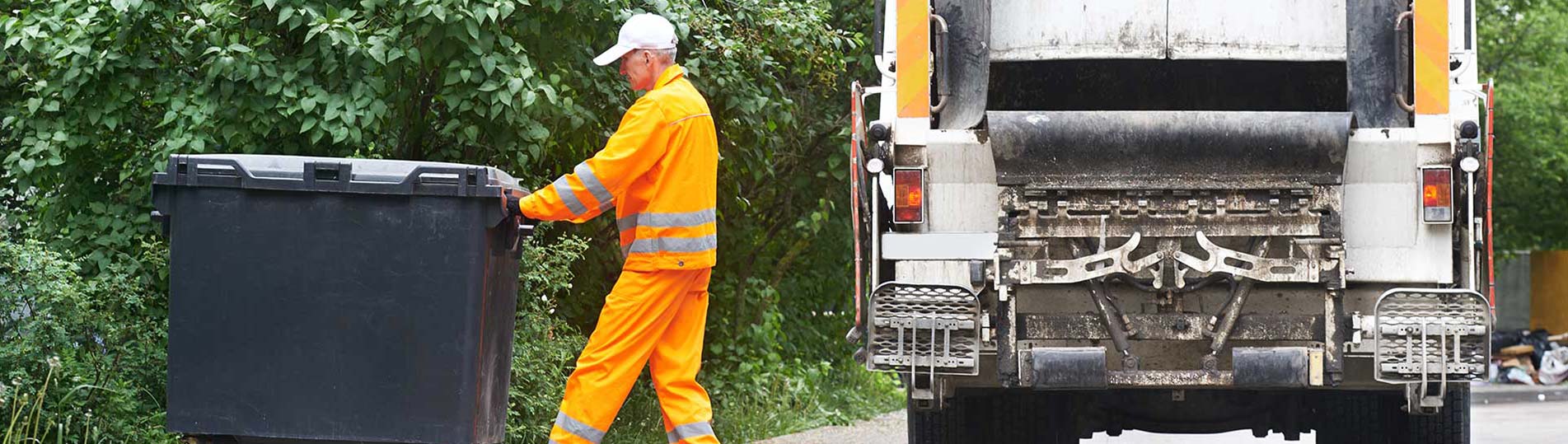
South Acton estate rubbish clearance flats practical guide
Posted on 02/09/2026

If you live in or manage a flat in South Acton, rubbish clearance can look simple right up until you actually try to do it. Narrow stairs, shared hallways, lift bookings, neighbour timing, estate rules, awkward bulky items, and the old question of where to put everything for half an hour. That is exactly why this South Acton estate rubbish clearance flats practical guide matters. It is for anyone who needs a clear, practical way to get unwanted items out of a flat without upsetting residents, blocking access, or turning a tidy job into a messy one.
In the real world, estate clearance is rarely just "take the rubbish away". It is about planning, access, safety, and making sure the job is done properly the first time. Whether you are clearing a single room, handling a tenancy changeover, or dealing with post-refurbishment debris, the details matter. Let's go through them properly.
For readers who want the broader service picture as well, it can help to first look at the wider services overview and the local approach to rubbish clearance in Acton.
Why South Acton estate rubbish clearance flats practical guide Matters
South Acton estates and flats bring a very specific set of clearance challenges. Most people think of rubbish as something you can bag up and wheel out. In flats, that usually falls apart fast. You may have shared access, limited parking, restricted loading zones, thin walls, and people coming and going at all hours. One badly timed clearance can annoy half a block. Not ideal.
This is why a practical guide is useful. It helps you think beyond the obvious. A mattress going down three flights of stairs is not the same as a house frontage pickup. A broken wardrobe that needs dismantling is not the same as a few bin bags. And if you are dealing with estate waste after a move, a declutter, or a refurbishment, you need a process that is quick, tidy, and respectful to neighbours.
There is also a trust issue. Residents often want to know that items are handled responsibly, especially where mixed loads, electricals, or reusable furniture are involved. Good clearance work should feel organised rather than rushed. It should leave the flat, stairwell, and communal areas cleaner than they were when the job started. That sounds obvious, but truth be told, it is where weaker operators sometimes slip.
For local context, many people in the area are already used to practical, no-fuss living. If that resonates, you may also enjoy reading about why Acton is such a convenient place to live and Acton as a suburban oasis.
How South Acton estate rubbish clearance flats practical guide Works
In practical terms, flat clearance is a short chain of decisions. First, identify what needs removing. Then work out how it leaves the building. Then decide who does the heavy lifting, how items are sorted, and whether any pieces should be reused, recycled, or disposed of separately. Simple on paper. Less simple in a building with one small lift and a chatty neighbour who wants to know what you are doing at 8.15 in the morning.
A well-run clearance usually starts with a quick assessment. That might be done from photos, a description, or an on-site visit, depending on the size of the job. The important thing is clarity. If you have bulky furniture, a lot of bagged waste, white goods, or builder's rubble, say so early. It makes the whole job smoother and can avoid last-minute surprises.
The actual collection process should follow a clear order:
- Confirm access details and timing.
- Protect floors, walls, and communal areas where needed.
- Remove lighter waste first to create space.
- Dismantle bulky items if required.
- Carry items out safely, using the least disruptive route.
- Sort reusable or recyclable items from general waste.
- Leave the property and shared spaces neat.
That sequence matters because flat clearance is about flow. If the team starts with the biggest item before clearing the route, everything slows down. If bags are not sorted beforehand, the waste handling side becomes clumsy. Small things, but they add up.
If the job includes renovation debris or sharp materials, the standards shift again. In those cases, specialist handling is safer, and a builder-focused option may be more suitable. For that side of the picture, builders waste disposal in Acton is a useful related service.
Key Benefits and Practical Advantages
The biggest advantage of a good flat clearance is not just speed. It is control. You know what is going out, when it is going out, and how much disruption it will cause. That is a lot of peace of mind for one booking.
- Less disruption for neighbours: careful timing and tidy handling reduce noise, hallway congestion, and awkward lift-sharing.
- Faster turnover for landlords and agents: a clean, clear flat is easier to re-let, photograph, or inspect.
- Safer moving conditions: removing clutter from entrances and rooms lowers the risk of trips and bumps.
- Better sorting of waste: items can be separated for reuse, recycling, or disposal in a more responsible way.
- Less stress for residents: if you are already juggling work, packing, or a move, outsourcing the heavy part can be a relief.
There is also a subtle but important benefit: confidence. Once the clutter starts going, the whole property feels lighter. People often underestimate that. A flat full of old furniture and mixed rubbish can feel oddly draining. Once it is cleared, you breathe easier. You hear the echo in the hallway again. Sounds minor, but it changes the mood of the place.
And from a wider local perspective, choosing a service that understands responsible disposal supports the kind of neighbourhood many South Acton residents want to live in. If that matters to you, the page on recycling and sustainability is worth a look.
Who This Is For and When It Makes Sense
This guide is relevant to a surprisingly wide group of people. The obvious ones are tenants moving out and landlords preparing a flat between occupiers. But the real list is longer.
- Tenants who need to clear old furniture, bagged waste, broken household items, or leftovers after moving.
- Landlords and letting agents dealing with end-of-tenancy rubbish, abandoned items, or last-minute cleanouts.
- Homeowners in flats who are decluttering before refurbishing or selling.
- Property managers coordinating communal or block-level waste issues.
- Families helping older relatives downsize from a flat in South Acton.
- Builders and decorators who need non-hazardous waste removed after light works.
It makes sense whenever the waste volume is too much for normal bins, too bulky for a quick car trip, or too awkward to handle safely on your own. If you are staring at a sofa in a hallway and thinking, "How exactly is this leaving the building?", that is usually your sign.
There is a difference between clearing a few items and clearing a flat properly. The first can be improvised. The second benefits from planning, especially where stairs, lifts, or estate rules are involved. You do not want to wing it and hope for the best. That rarely ends well.
Step-by-Step Guidance
Here is the cleanest way to approach a South Acton flat clearance without making it harder than it needs to be.
1. Make a room-by-room list
Walk through the flat and note what is staying and what is going. Be ruthless, but practical. If an item is partly useful and partly annoying, decide now. Fuzzy decisions become wasted time on the day.
2. Separate items by type
Group furniture, bagged rubbish, electricals, recycling, and any awkward bulky items. This helps estimate the space required and makes loading more efficient. It also helps reduce confusion when a team arrives.
3. Check access in advance
Is there a lift? Is it reliable? Is there controlled parking? Are there any estate rules on collection times? These questions sound boring until the driver is circling the block and nobody can find the entrance code.
4. Protect the route out
Clear hallways, move loose rugs, and keep pets and children well away from the route. If the removal is larger, floor protection and corner care may be sensible too. Communal areas are where most accidental scuffs happen.
5. Be clear about heavy or awkward items
Wardrobes, beds, white goods, and broken office furniture often need dismantling or two-person handling. Mention them early. If you keep that info back, it may delay the work or change the price on arrival.
6. Decide what should be reused
Not everything needs to go straight to disposal. Some furniture, textiles, or household items may be suitable for reuse or recycling depending on condition. A good service should be able to explain the likely options in plain English.
7. Ask for a clear quote
A clear quote should reflect the volume, access, labour, and type of waste. It should also explain any extras that could arise, such as difficult access or extra dismantling. If a quote seems vague, ask for more detail. A quick question now can save a headache later.
8. Confirm timing and final checks
Agree the collection window, the contact person, and any estate requirements. On the day, do a last sweep of cupboards, balcony storage, and behind doors. People always forget one shelf. Always.
Expert Tips for Better Results
There are a few small things that make a big difference in flat clearance jobs. In our experience, the smoother jobs are not just about effort. They are about sequence and preparation.
- Start with the hardest access point. If the lift is small or unreliable, plan around it instead of discovering the problem mid-job.
- Label what stays. A simple "keep" note on boxes can stop accidental removals. Not glamorous, but effective.
- Clear the entrance first. Once the front path is open, the rest feels easier and safer.
- Take photos before the job. Handy for landlords, tenants, or managing agents who want a record of what was there.
- Bundle loose waste where possible. Bagged or boxed items are quicker to move than scattered bits and pieces.
- Plan around neighbours. Mid-morning often works better than very early or late slots, especially in dense estates.
One practical truth: the less mystery there is, the better the job usually goes. A clear list, clear access, and clear expectations make everyone calmer. And calmer jobs are easier jobs. Every time.
For readers interested in service standards and trust, it is worth reviewing the company's approach to insurance and safety before booking anything involving stairs, bulky items, or shared spaces.

Common Mistakes to Avoid
Most flat clearance headaches come from a handful of predictable mistakes. The good news is they are easy to avoid once you know them.
- Underestimating volume: what looks like "a few items" can become a full load once sorted.
- Forgetting access details: no lift code, no parking permission, no smooth collection. Simple as that.
- Mixing everything together: it slows sorting and can make the job less efficient.
- Leaving items in communal areas too long: that can create complaints and safety issues.
- Assuming all waste is handled the same way: different materials often need different treatment.
- Not checking the end of the flat: cupboards, under beds, balconies, and loft-style storage all hide forgotten items.
One slightly annoying but common issue is leaving a pile by the door "for later". Later never really happens, does it? It just becomes the pile. If you want the clearance to feel complete, get everything into one agreed process from the start.
Another mistake is choosing a service purely on speed. Same-day is useful in the right situation, but not every job should be rushed. If you need fast help near transport links or a tight move-out deadline, timing matters; if you want that angle explained further, the post on same-day rubbish clearance near Acton Town Station is a practical read.
Tools, Resources and Recommendations
You do not need a warehouse of equipment to manage a flat clearance well. A few sensible tools and habits go a long way.
- Strong bin bags and boxes: for sorting and carrying smaller items.
- Labels or sticky notes: for "keep", "dispose", "recycle", and "sell/donate" piles.
- Measuring tape: useful if you are checking whether bulky furniture will fit through the door or into a lift.
- Gloves and basic protective gear: helpful for dusty cupboards, broken items, or rough edges.
- Camera phone: for before-and-after photos and item records.
- Access notes: codes, keys, parking instructions, and estate contact details in one place.
As for recommendations, the best one is simple: do not leave the sorting until collection day. Pre-sorting makes the whole job more manageable, even if only for half an hour the night before. That small bit of effort pays off.
If you are unsure which service fits your situation, the page on your rubbish removal needs can help you think through the type of clearance you actually need, not just the one you first imagined.
Law, Compliance, Standards, or Best Practice
For clearance work in flats, the key compliance point is simple: waste should be handled responsibly and in line with accepted UK waste management practice. That means being careful about what is removed, how it is transported, and where it ends up. If you are using any clearance service, it is reasonable to ask how items are sorted and whether recyclable materials are separated where practical.
In estate settings, there are also practical rules that matter even when they are not written into law. Building management may set conditions for parking, lift use, working hours, noise, or access to communal areas. These are not things to brush aside. They are part of making sure everyone else can still live their day without disruption.
For larger or more complex jobs, especially where there is mixed waste, renovation debris, or items that may need special handling, good practice is to be upfront and cautious. If there is any uncertainty about what should be removed, sort it before collection. It is always easier to pause and clarify than to guess badly and create a mess.
Insurance is another quiet but important piece of the picture. If a company is moving heavy items through shared areas, you want confidence that they work safely and can explain what protections are in place. That is not being picky. That is just sensible.
Options, Methods, or Comparison Table
There are a few ways to handle rubbish clearance from a South Acton flat. Each has its place. The right choice depends on time, volume, access, and how much lifting you want to do yourself.
| Method | Best for | Pros | Trade-offs |
|---|---|---|---|
| Self-clearance | Very small amounts, light bags, and simple trips | Low direct cost, full control | Time-consuming, physically tiring, tricky for bulky items |
| Mixed DIY and hired help | Medium jobs with some items you can sort yourself | Flexible, can reduce volume before collection | Requires planning, still involves lifting and transport |
| Professional flat clearance | Bulky items, time pressure, difficult access, larger clear-outs | Fast, organised, less stress, better for stairs and shared areas | Usually costs more than doing it yourself |
In many flat situations, professional clearance wins because of access and time. That said, if the job is tiny and you already have transport, doing some of it yourself can make sense. The best answer is not always the most dramatic one. Sometimes it is just the least annoying one.
For jobs that involve a lot of household belongings rather than general rubbish, a dedicated house clearance service may also be more suitable, especially where sorting and careful handling matter.
Case Study or Real-World Example
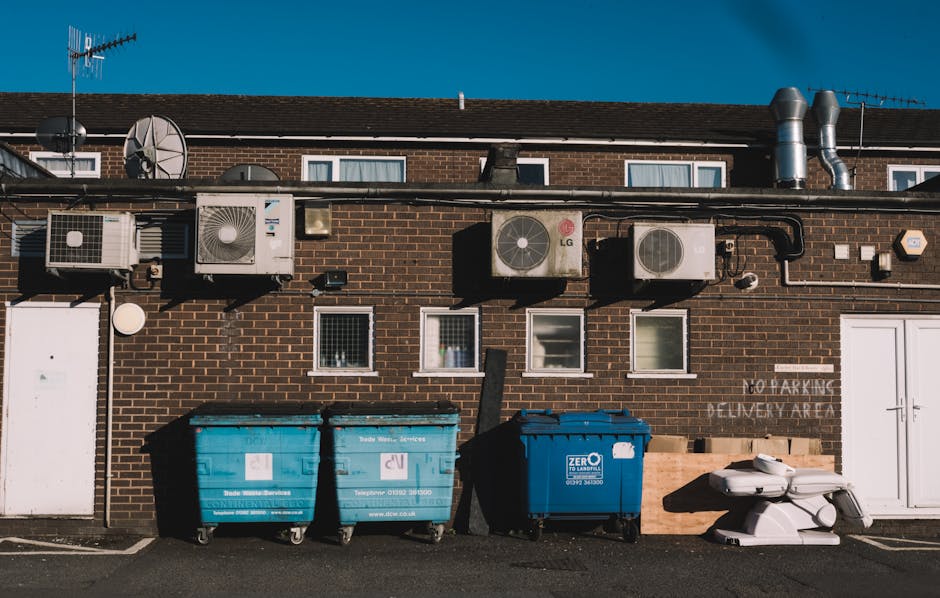
A typical South Acton scenario goes like this. A tenant is moving out of a two-bedroom flat. Over the years, the flat has picked up a broken chair, a mattress that no one wants to drag downstairs, several bags of mixed clutter, and a few items left behind in a storage cupboard. Nothing dramatic. Just the usual "we will deal with that later" collection of bits and pieces.
The first step is to walk through the flat and separate what is definitely staying. Then the items to go are grouped by type: furniture in one corner, bags by the door, loose recycling in another pile, and anything awkward noted separately. Access is checked, the lift is booked where needed, and the route through the hall is cleared. That alone reduces stress by a lot.
On collection day, the removal team starts with the bags and loose items so the route opens up. The mattress comes out next, followed by the smaller pieces of furniture. The cupboard is checked last, because that is where forgotten items like chargers, old shoes, and random spare cables always seem to hide. The flat is left clear, the communal walkway is tidied, and the handover can happen without awkward delays.
It is not glamorous. But it works. And in flat clearances, "works" is the real win.
Practical Checklist
Use this before any South Acton estate flat clearance. It keeps things calm and practical.
- List every item to be removed.
- Separate keep, dispose, recycle, and donate piles.
- Check lift access, stair access, and parking arrangements.
- Confirm estate or building rules on collection timing.
- Measure large furniture if there is any doubt about fit.
- Remove valuables, personal papers, and sentimental items first.
- Clear hallways and protect shared areas if needed.
- Tell the team about any heavy, sharp, or awkward items.
- Keep access codes and keys ready.
- Do a final sweep of cupboards, storage spaces, and balconies.
Expert summary: the best flat clearance is rarely the fastest one in the abstract; it is the one that is planned properly, respects the building, and leaves the place ready for whatever comes next. A little organisation upfront saves a lot of friction later.
Get a free quote today and see how much you can save.
Conclusion
South Acton estate flat clearance becomes much easier once you treat it as a small project rather than a single errand. Plan the access. Sort the waste. Protect the communal areas. Ask clear questions. If you do those basics well, the whole process feels far less daunting and a lot more under control.
That is really the heart of this guide. Not perfect efficiency. Not dramatic speed. Just a sensible, respectful way to clear a flat without creating new problems for yourself or the people living nearby. And honestly, that is usually enough. More than enough, some days.
When you are ready to take the next step, choose the option that fits your flat, your timeline, and your peace of mind. The right approach makes the day feel lighter, and the flat looks better for it.

From a young age, Blair has cultivated a passion for order, which has now matured into a prosperous profession as a waste removal specialist. She derives satisfaction from transforming disorderly spaces into practical ones, aiding clients in conquering the burden of clutter.
 Tipper Van - Junk Removal and Rubbish Clearance Prices in Acton, W3
 Luton Van - Junk Removal and Rubbish Clearance Prices in Acton, W3