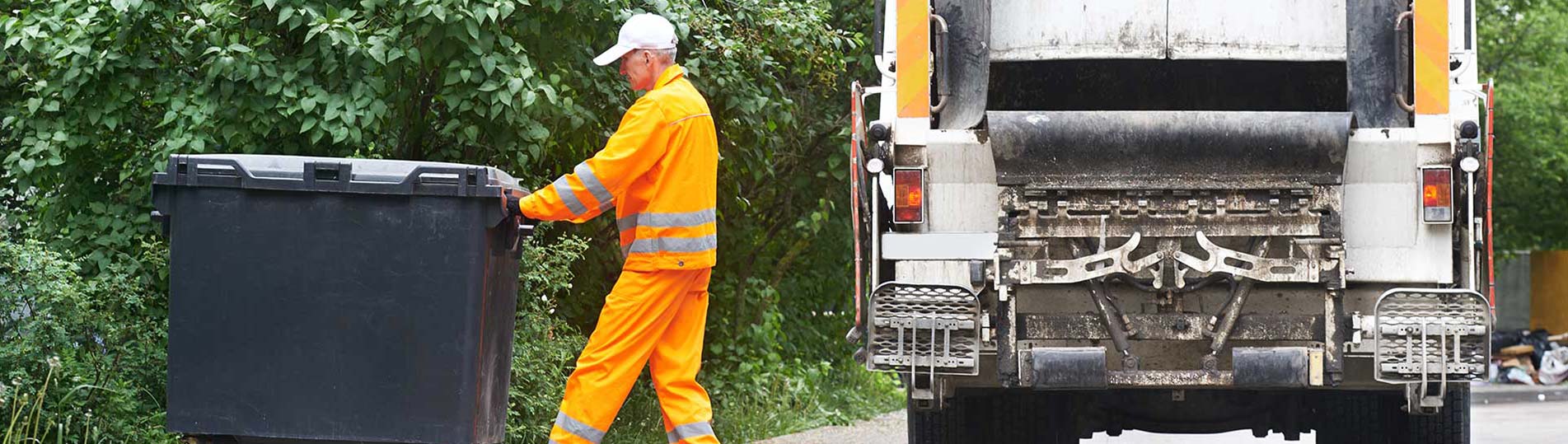
Rubbish Clearance in Acton for homes, offices and sites
Rubbish Clearance Acton offers rubbish removal in Acton for domestic and commercial customers who want a straightforward way to clear unwanted items and waste. The service covers regular collections and one-off clearances, with practical support for furniture, bagged rubbish, mixed household waste and a range of non-hazardous materials. If you need space cleared with minimal fuss, we provide a focused service built around safe loading, sensible sorting and responsible disposal.
Our work is suited to households making room after a move, landlords preparing a property, businesses reducing clutter or trades dealing with leftover materials. Clearance needs vary, so the right approach depends on what is being removed, how much there is and how access is arranged. We keep the process simple, explain the likely scope clearly and help you choose the most suitable option for the job.
For a quotation, it is useful to describe the items, how they are stored and whether they are upstairs, outside or already gathered together. You can also note if the clearance is part of a wider project, such as an office refresh or post-build tidy-up. If you are planning ahead, start with a brief overview and we can take it from there. Request a quotation
Household rubbish clearance and item removal
Household rubbish clearance is often the simplest solution when you have a mix of items that no longer have a place in the home. That may include broken furniture, worn-out appliances, general clutter, old boxes or bulky possessions that are hard to move by yourself. We can handle clearances that are too large for normal bin collections and help remove the build-up in a single visit where possible. The aim is to create a clean result without unnecessary disruption.
When a home clearance is more involved, it helps to separate what should stay from what should go. A short list can make the job easier to assess, especially when a property contains several rooms of unwanted items. Common situations include end-of-tenancy clearances, partial loft or garage clearances and tidying properties ready for sale. If there are items that need special attention because of size or handling, that can be discussed before the visit. Keep one simple rule in mind: clarity at the start saves time later.
We also provide support for customers who need a flexible approach rather than a full property clearance. That can mean taking only selected items, clearing one room at a time or removing bulky waste that will not fit into standard disposal routes. If you are unsure how much can be taken in one go, a short outline of the job is usually enough to start. House clearance service can be useful when the work is centred on domestic items and rooms.
Office clearance and workspace waste
Office clearance is a practical choice when workspaces need to be emptied, reorganised or refreshed. It can include desks, chairs, storage units, filing materials, packaging and general office clutter, together with items left behind after a move or refurbishment. We understand that commercial spaces need a tidy finish and sensible timing, so the clearance is planned around access and the amount of material to be taken away. The focus stays on removing unwanted items efficiently while keeping the remaining space usable.
Many office jobs involve a combination of furniture and mixed waste rather than a single category of material. For that reason, it is useful to think about what should be removed from what should be retained, especially if the office is still partly in use. We can assist with staged clearances where items are removed in sensible sections. If you are dealing with records, equipment or redundant storage, the best starting point is a quick description of the contents and the layout of the area.
For businesses seeking a broader view of available services, the services overview explains the main clearance options in one place. It is a helpful reference when you are comparing office work with domestic or mixed-site removal and want to choose the most relevant option.
Garden waste and outdoor clearances
Garden waste removal is designed for outdoor materials that build up after pruning, digging, landscaping or seasonal maintenance. Typical loads may include branches, hedge cuttings, grass, soil, old turf, plant debris and broken outdoor items. We can help clear waste from front gardens, rear gardens, communal outdoor spaces and driveways when the material is ready to be taken away. This service is especially useful when the amount of waste is too much for ordinary bin collections or when a tidier finish is needed after gardening work.
Outdoor clearances often work best when the waste has been grouped together in one accessible location, although that is not always essential. If there are mixed materials from a larger garden project, it helps to mention whether the load includes soil, timber, planters or dismantled features. Some items may need to be separated for easier handling, and we can discuss that before the work begins. The main point is to make removal practical, not to overcomplicate the preparation.
Customers planning landscaping or seasonal tidy-ups may also want to consider how the waste will be sorted once it leaves the site. Our approach is to keep the process orderly and suitable for the type of material collected. Garden waste removal in Acton is a direct option when the job is mainly outdoors and the priority is a clear, usable space.
Builders waste and renovation debris
Builders waste disposal is the right choice for waste created by construction, refurbishment and maintenance work. It can include rubble, offcuts, packaging, timber, tiles, plasterboard, broken fixtures and other non-hazardous materials left after building tasks. This type of clearance is often needed at the end of a project or between phases of work, when keeping the site clear makes the next stage easier to manage. We help remove the waste so the area is easier to use, inspect or hand over.
Because renovation waste can vary so much from one job to the next, the load is usually assessed by material type and amount. A mixed collection may need careful sorting, while a largely inert load may be handled differently from lightweight waste. If the project is still active, it helps to know whether access is through the front of the property, a rear entrance or a shared route. That practical detail can affect how the clearance is organised and what equipment may be appropriate.
If your job is centred on construction debris, you may find our builders waste disposal service the most relevant page to review. It focuses on the type of work most often associated with renovation and site clean-up, rather than general household rubbish.
About Acton
Acton is an area in West London within the London Borough of Ealing, with parts also close to the borough boundary. It has a long history as a settlement on the western approaches into London, and its character has changed through successive waves of housing growth, rail development and urban renewal. The area includes a mix of older streets, interwar housing, newer apartment schemes and local shopping parades, which gives it a varied built environment rather than a single architectural style. Acton High Street remains an important local focus, while the wider district is linked by several stations that connect it with the rest of the capital. Acton Main Line, North Acton, West Acton and South Acton are all part of the wider transport picture, with each station serving different pockets of the area. The opening of the Elizabeth line has also strengthened the area's rail connections. Green spaces such as Acton Park and Springfield Gardens provide a contrast to the denser residential streets, and the area sits within reach of larger open spaces and routes leading towards Ealing, Chiswick and Hammersmith. Local history can still be seen in surviving church buildings, villa terraces, estate layouts and older civic structures, while modern developments continue to reshape parts of the district. This combination of transport, housing and open space means Acton retains a distinctly urban but varied identity, with everyday life spread across neighbourhoods that feel connected yet different in scale and style.
Waste removal for mixed loads and regular clear-outs
Waste removal is the broader option when the load includes mixed items that do not fit neatly into a single category. It can suit homes, rented properties, retail units and workplaces where the main need is to remove a collection of unwanted materials in one organised process. This may involve a blend of furniture, bagged waste, packaging, scrap, old fixtures and other non-hazardous items. Rather than treating each object separately, we look at the overall load and the simplest practical way to clear it.
This kind of service is useful when a property is being decluttered gradually or when several areas need attention at once. It can also work well for customers who have already sorted what stays and what goes, because that makes it easier to remove only the relevant material. A clear list is helpful, but a simple description of the main items is often enough to begin. If the waste includes awkward or bulky pieces, mention that early so the collection can be planned sensibly.
For customers comparing clearance options, the waste removal page gives a direct route into the core service and is useful when the load is mixed rather than specialist. It can also help when you want one straightforward collection rather than several separate arrangements.
Prices, access and what affects the quotation
Quotation work is usually shaped by a few practical factors: the volume of waste, the type of items, how easy they are to reach and whether the clearance needs to be completed in one visit. Heavier or awkward loads may require more handling than lighter bagged rubbish, while stairs, tight access or shared entrances can also influence the amount of time needed. We aim to keep the pricing conversation clear by focusing on the actual job rather than adding unnecessary complexity.
It is sensible to mention if the items are already outside, whether parking is straightforward and whether the clearance involves a single room or several separate spaces. Photos can help in some cases, although a short written description may be enough for smaller jobs. If you prefer to plan the work in stages, say so at the outset. Good information at the beginning helps avoid confusion later and supports a quotation that matches the task more closely.
Our prices page and pricing and quotes page are the best places to review the commercial side of the service before sending the details of your job. If you are ready to move ahead, ask for a quotation and tell us what needs to be cleared.
Recycling, sorting and responsible disposal
Responsible disposal is an important part of any clearance because the waste does not end with the collection itself. Items are best handled in a way that supports sensible sorting and lawful onward processing, especially where loads contain a mixture of materials. That can include separating reusable or recyclable items from general waste and treating each category in a more appropriate way. The aim is to keep the process orderly from the moment items are removed until the final stage of disposal.
Customers often want to know how mixed loads are managed, particularly when the clearance includes furniture, metal, wood, cardboard or garden material. The practical answer is that the contents of the job guide the next step. Some waste streams are more suitable for recycling than others, so the mix of materials matters. If you are arranging a clearance with several different item types, it helps to note them clearly so the work can be handled in a way that suits the load.
For a closer look at the approach to sorting and disposal, see the recycling and sustainability page. It provides a useful overview if you want to understand how the service is organised around waste handling rather than just removal.
How to arrange a clearance
Arranging a job is usually easiest when you begin with the basics: what needs removing, how much there is and where it is located. A short description of the property and the waste is usually enough to start a conversation, whether the work is domestic, commercial or related to a building project. If there are access details that matter, such as stairs, gates or parking limits, it is better to mention them early so the right arrangement can be made.
If you are preparing a quotation request, try to group items where possible and keep the description practical rather than elaborate. We do not need a perfect inventory to understand the job, but clarity always helps. This is also the point to mention whether the work is urgent, whether the property is occupied and whether any items should be left behind. In many cases, a brief note is all that is required to get started.
When you are ready, send your details through the contact page and ask for a quotation. If you prefer to review the service first, the main rubbish clearance page is a good starting point for the core service offered in Acton.


 Tipper Van - Junk Removal and Rubbish Clearance Prices in Acton, W3
 Luton Van - Junk Removal and Rubbish Clearance Prices in Acton, W3