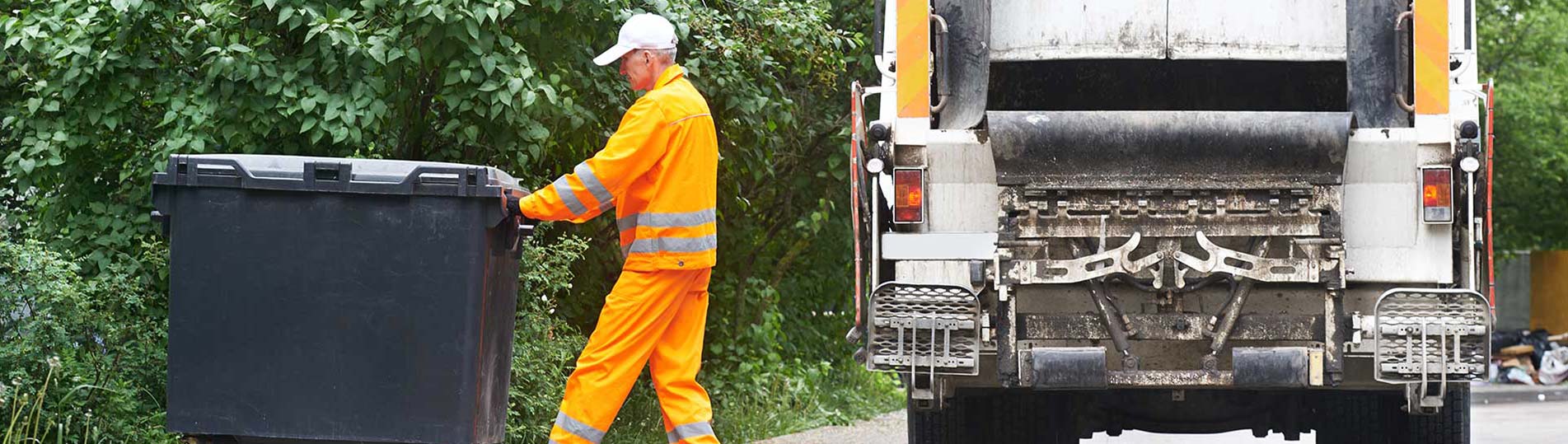
Office rubbish removal West Acton Business Park local options
Posted on 12/10/2026
Office rubbish removal West Acton Business Park local options: a practical guide for businesses
If your office is in or around West Acton Business Park, rubbish can pile up faster than people expect. Old monitors, packaging, broken chairs, filing cabinets, coffee cups, confidential paperwork, that awkward pile in the corner nobody owns - it all adds up. And once it starts eating into workspace, the whole place feels tighter, messier, and a bit less professional. This guide to Office rubbish removal West Acton Business Park local options walks through what the service involves, how to choose a sensible local provider, what to expect on the day, and how to avoid the usual headaches.
We'll keep it practical. You'll see where office clearance fits in, which options make the most sense for different kinds of businesses, and what to check before you book. If you only need a one-off clear-out, fine. If you're dealing with an ongoing office move, refurb, or end-of-lease tidy, that's covered too. Let's face it, nobody wants to spend a morning wrestling with cupboard debris and half-dismantled desks when there's work to do.
Why Office rubbish removal West Acton Business Park local options Matters
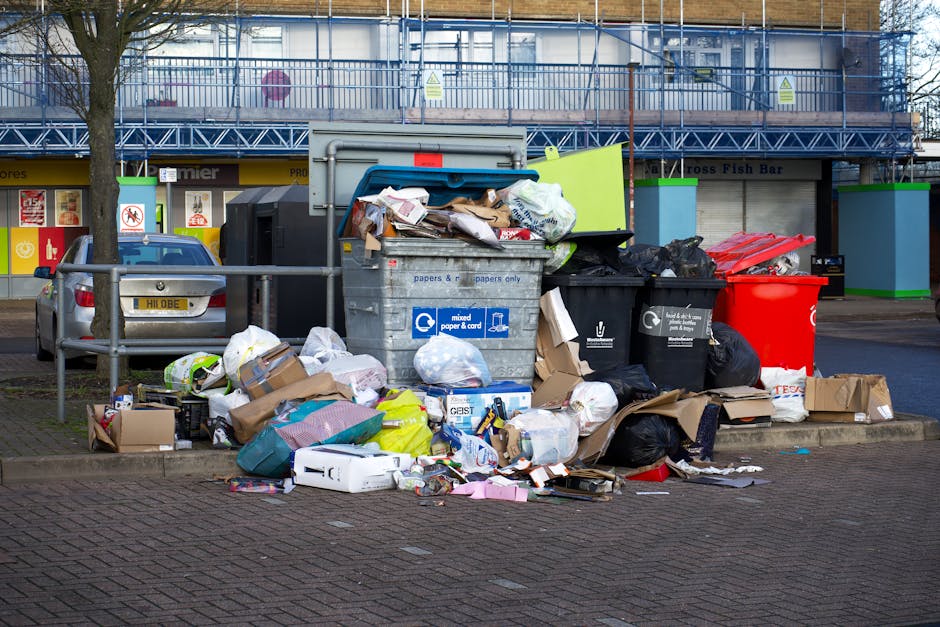
Office waste is not just "stuff to get rid of". In a business park setting, it can affect how quickly staff move around, how clients see your company, and even how safely people work. A corridor blocked by boxes or a store cupboard full of old equipment is a nuisance, but it can also become a real trip hazard. You notice it most when you're already busy. Of course you do.
Local options matter because business parks often have tight access, shared loading areas, limited parking, and schedules that need to stay polite to neighbours. A provider that understands the rhythm of West Acton Business Park can usually plan around office hours, manage lifts and access points sensibly, and avoid turning a small clearance into a half-day disruption.
There's also the trust angle. Businesses often want a service that looks professional and behaves properly around confidential waste, recycling, and disposal. That matters whether you're a small team with a few desks or a multi-room office with ongoing waste build-up. In our experience, the smoothest jobs happen when the local team is briefed well, turns up on time, and knows the site realities before they arrive.
Expert summary: The best office rubbish removal choice is usually the one that fits your access, your waste type, your timing, and your level of urgency - not just the cheapest quote on paper.
And one more thing: a tidy office changes the mood of the place. It sounds small, but a cleared space feels easier to work in. You hear less clutter, if that makes sense. Fewer nagging little jobs. More breathing room.
How Office rubbish removal West Acton Business Park local options Works
Most office rubbish removal jobs follow a fairly simple pattern, though the details depend on what you need removed. A straightforward clearance might mean a two-person team arriving with a van, loading unwanted items, and taking everything away in one visit. A larger project may involve staged removal, sorting recyclable material separately, and planning around office opening hours.
For many businesses, the process starts with a quick assessment. That might be a phone call, photos, or a site visit. The provider then estimates the amount of waste, the type of items involved, and how long the job should take. If you've got bulky items like desks, filing units, or old printers, that affects the collection plan. If you've got electronic equipment or confidential paper waste, that affects handling and disposal.
Local office rubbish removal often works best in three broad ways:
- One-off clearance: good for end-of-lease clean-outs, office moves, or a big declutter.
- Scheduled collections: useful for businesses that generate steady waste and want predictable visits.
- Project-based removal: ideal during refits, renovations, or partial floor changes.
In practical terms, the team will usually separate items into waste streams where possible. Cardboard, general office waste, reusable office furniture, and electrical waste are often handled differently. That matters because not everything should go in the same bag or van. Truth be told, this is where a decent local operator earns its keep: by not just "taking it away", but by sorting it properly.
Access can be the real decider. If your office is above ground level, in a shared commercial building, or has timed parking restrictions nearby, it helps to choose a team used to local conditions. A bit of forethought saves a lot of back-and-forth on the day.
Key Benefits and Practical Advantages
The obvious benefit is space. Once redundant furniture, old archive boxes, broken monitors, and packaging are gone, the office feels more functional straight away. Less clutter means less time spent moving things out of the way, and more time spent on work that actually matters.
There are a few other advantages that are easy to overlook:
- Better workplace safety: fewer tripping points, fewer blocked walkways, and less strain from lifting items badly.
- Cleaner presentation: useful if clients, contractors, or inspectors might visit.
- Faster office moves: a removal team can take bulky waste in one go rather than leaving staff to do it piecemeal.
- More responsible disposal: recyclable and reusable items can often be separated more carefully.
- Less staff time lost: nobody wants office admin doubling as an unofficial waste-clearance job.
There's also a morale effect. A clean office tends to feel calmer. People concentrate better when they're not side-stepping stacks of old folders or squeezing between boxes. It's not magic, just environment. And if you've ever worked through a spring clear-out at 4:30pm with the windows open and the smell of dust in the air, you know exactly what I mean.
For businesses near West Acton Business Park, local collection can also reduce the friction of timing. A nearby provider is often easier to book for shorter notice, especially when a move, delivery, or refurbishment has shifted plans. That flexibility can be worth a lot more than people realise at the quoting stage.
Who This Is For and When It Makes Sense
Office rubbish removal is relevant for a wider range of businesses than many people think. It is not just for large offices during a move. Small teams, startups, shared offices, professional practices, and light industrial business units may all need help at different points.
This service makes sense if you are:
- clearing out unused furniture or broken office equipment
- moving into or out of a unit at West Acton Business Park
- renovating a workspace and need old materials taken away
- dealing with archived paperwork and storage overflow
- wanting a cleaner, more organised office without asking staff to do it all
- handling end-of-tenancy obligations and need the space left tidy
It also suits businesses that need discretion. If your office handles client data, financial files, or other sensitive records, you probably do not want a haphazard clear-out handled on the fly. A proper removal plan gives you more control over what leaves the building and how.
There's a common misconception that rubbish removal is only needed when things have got out of hand. In reality, many businesses use it as a routine reset. A quarterly or biannual clear-out can stop clutter from becoming a bigger operational issue. Much easier than waiting until the storage room looks like it's been abandoned since 2017.
Step-by-Step Guidance
If you want the job to go smoothly, a bit of structure helps. Here's a practical way to approach office rubbish removal in a business park setting.
- Walk the space and sort what needs to go. Separate general waste, furniture, electrics, confidential paper, and anything that might be reused.
- Measure bulky items. Desks and cabinets are easy to underestimate. A quick measurement avoids awkward surprises at the lift or doorway.
- Flag access issues early. Mention loading bays, parking limits, floor level, lift size, security entry, and restricted times.
- Choose the collection type. Decide whether you need a full clearance, a partial removal, or staged collections over several visits.
- Ask how waste will be handled. Good providers can explain what happens to recyclable material, electrical items, and furniture.
- Prepare the office before arrival. Label items clearly and keep walkways open so the team can work efficiently.
- Confirm the final sweep. Make sure the provider knows whether you want the space left broom-clean or just cleared of waste.
One useful habit is to create a simple "keep / remove / unsure" system in the office. It sounds basic, but it prevents a lot of backtracking. People are oddly sentimental about old office chairs. Or maybe that's just every office I've ever seen.
If you're managing the job on behalf of a team, appoint one person to make decisions on the day. That reduces mixed messages and keeps the process moving. A half-hour delay here and there becomes a full afternoon if nobody is quite sure what stays and what goes.
Expert Tips for Better Results
There are a few things that make office rubbish removal far easier, and they're the sort of details people only learn after a couple of clumsy attempts.
- Clear the waste before the van arrives. It saves time and often lowers labour costs because the team can load immediately.
- Separate recyclable material in advance where practical. Cardboard, paper, and some plastics are easier to handle when grouped sensibly.
- Keep electrics together. Monitors, laptops, printers, and cables should not be mixed with general rubbish.
- Reserve a bit of buffer time. Office access can be fiddly, especially in shared commercial buildings.
- Take photos before and after. Useful for records, landlord discussions, or just your own peace of mind.
Another good tip: don't treat the quote as the whole story. Ask what is included. Is labour included? Are there additional charges for stairs, long carries, or especially bulky items? Is there a minimum load? Those questions are not awkward; they're just sensible. Better to ask once than grumble later.
If your business is trying to improve sustainability, choose a provider who can explain how they prioritise reuse and recycling. You do not need a lecture. Just a clear answer. That alone says a lot.
Common Mistakes to Avoid
Office clear-outs are usually straightforward, but a few avoidable mistakes cause most of the trouble.
- Underestimating volume: what looks like "a few bits" can fill a van fast.
- Forgetting access details: loading restrictions, intercom entry, and stair-only access can slow everything down.
- Mixing confidential waste with general rubbish: that is a problem if files or data-sensitive materials need proper handling.
- Leaving decisions until the team arrives: that creates delay and confusion.
- Choosing purely on price: a cheap quote can become expensive if it does not include the actual job you need.
One subtle mistake is ignoring the aftermath. People often plan the collection, but not the reset. If the office is being reconfigured after the waste is removed, make sure cleaning, furniture replacement, and IT equipment moves are coordinated. Otherwise you clear one problem and create three smaller ones. We've all seen that happen.
Also, don't assume every item belongs in the same pile. Some office rubbish is just rubbish. Some of it is reusable. Some of it needs special handling. That distinction matters, even if it slows you down by ten minutes upfront.
Tools, Resources and Recommendations
You do not need much fancy kit to prepare for office rubbish removal, but a few simple tools make the process smoother:
- heavy-duty bin bags or boxes for smaller items
- labels or coloured tape for sorting
- a tape measure for desks, cabinets, and appliances
- a basic inventory list for items being removed
- access notes for the building, loading area, and reception
For office managers, a shared spreadsheet can be surprisingly helpful. It does not need to be perfect. Just note what is being removed, who approved it, and whether anything contains data or electronics. That gives everyone a clear reference point when the job day arrives.
If you want to keep the office tidier in the long run, set up a simple internal routine. For example: one monthly clear-out of old packaging, one quarterly review of storage, and one annual check of furniture and equipment. A modest system beats a dramatic scramble every time. Far beats it, actually.
It can also help to review nearby service pages if you are dealing with a broader property job. For example, if your office project overlaps with a larger strip-out or mixed waste clearance, the builders waste disposal service in Acton may be useful where renovation debris is involved. If you need a more general picture of what the company handles, the services overview is a sensible starting point.
Law, Compliance, Standards, or Best Practice
Waste handling for offices should be approached carefully. While this article is not legal advice, there are some sensible UK best practices that businesses should follow. First, use a provider that disposes of waste responsibly and can explain how different waste streams are treated. Second, be cautious with electrical items, confidential documents, and anything that may contain sensitive data.
If your office generates paperwork with personal or client information, you should treat that material carefully before removal. Many businesses use a separate shredding or secure disposal process for those items. The important thing is not to assume office waste is all the same. It isn't.
Insurance and safety also matter. Reputable providers should work in a way that reduces risk to staff, visitors, and the building itself. That means suitable lifting practices, careful handling of bulky items, and awareness of access routes. If you want more background on that side of the service, it is worth reviewing the company's insurance and safety information.
For sustainability-minded businesses, recycling and reuse should be part of the conversation. Office furniture, cardboard, metals, and some electrical equipment may be handled separately depending on condition and local processing options. The aim is not to throw everything into one pile and hope for the best. The aim is a tidy exit, done properly, with less waste going to landfill where it can reasonably be avoided.
Best practice is fairly simple: document what leaves the office, confirm what needs special handling, and work with a provider that communicates clearly. That alone prevents a lot of future awkwardness.
Options, Methods, or Comparison Table
Different office rubbish removal methods suit different situations. Choosing well can save time, money, and a good amount of stress. Here's a plain-English comparison.
| Option | Best for | Pros | Watch outs |
|---|---|---|---|
| One-off office clearance | Moves, refurbishments, end-of-lease jobs | Fast, simple, usually minimal disruption | Needs clear planning and access details |
| Scheduled waste collections | Offices with steady, ongoing waste | Predictable, tidy, easy to budget for | May not suit sudden spikes in waste volume |
| Staged clearance | Larger offices or phased relocations | Flexible, less disruptive to staff | Requires coordination across several visits |
| Mixed waste removal | Jobs with furniture, packaging, and some renovation debris | Handy when the office project is not neatly separated | May cost more if sorting is needed on site |
If you are trying to choose between options, ask yourself one simple question: do I want this gone quickly, or do I want it managed in stages with more control? Either can be right. The mistake is assuming there is only one "proper" way.
For general office tidying and mixed clearance needs, the office clearance service in Acton is often the most directly relevant starting point. If your job is more general and includes a broader household or workplace mix, the rubbish clearance in Acton page may also be helpful. And if the job is broader than just office waste, the waste removal service gives a wider overview of removal options.
Case Study or Real-World Example
Here's a realistic example. A small professional office near West Acton Business Park is preparing for a layout change. The team has old desks, unused shelving, a few broken task chairs, several printer boxes, and two cupboards full of documents and miscellaneous cables. Nothing dramatic on its own. Together, though, it is enough to make the room feel crowded and awkward.
The manager decides to sort items over two afternoons. Staff label furniture for removal, separate the cables and electronics, and put confidential files in a secure pile for shredding. The provider is briefed about access, parking, and the best time to arrive. On the day, the team clears the bulky items first, then handles the smaller mixed waste. The office is left open, lighter, and ready for the new layout without that all-day sense of chaos.
What made the difference? Clear decisions before the van arrived. Not glamorous. Just effective.
That is usually how good office rubbish removal works in the real world. Nothing theatrical. No grand process. Just a clean, coordinated reset that leaves the place easier to use by the end of the day.
Practical Checklist
Use this before booking office rubbish removal in West Acton Business Park.
- List every item to be removed
- Separate general waste, furniture, electronics, and confidential material
- Check access, parking, lifts, and any time restrictions
- Confirm whether loading assistance is included
- Ask how recyclable and reusable items are handled
- Clarify whether the quote includes labour, disposal, and waiting time
- Prepare a single decision-maker for the day
- Protect sensitive paperwork before the team arrives
- Make sure corridors and doorways are clear
- Confirm the finish level you want: removed only, or swept clean as well
If you can tick most of those boxes, you are already ahead of the game. Honestly, that's half the battle.
Get a free quote today and see how much you can save.
Conclusion
Finding the right office rubbish removal West Acton Business Park local options is mostly about fit. The best service is the one that handles your waste type, site access, timing, and compliance needs without making the process harder than it needs to be. For some businesses, that means a fast one-off clearance. For others, it means a staged approach with careful sorting and a cleaner handover.
When you plan it properly, office rubbish removal becomes a straightforward part of running the workplace, not a stressful interruption. And that's the goal, really: less clutter, less disruption, and a space that feels ready for proper work again. Simple enough, but powerful. There's a kind of relief in walking into a cleared office first thing in the morning. Quiet, open, easy.
If you are weighing up options now, start with your waste types, access constraints, and timing needs. Then choose the local route that makes the whole job feel calm and well handled.

From a young age, Blair has cultivated a passion for order, which has now matured into a prosperous profession as a waste removal specialist. She derives satisfaction from transforming disorderly spaces into practical ones, aiding clients in conquering the burden of clutter.
 Tipper Van - Junk Removal and Rubbish Clearance Prices in Acton, W3
 Luton Van - Junk Removal and Rubbish Clearance Prices in Acton, W3